Zirconia crowns in Alanya, Turkey
In Alanya, our experienced team plans zirconia crowns with digital smile design and explains the costs clearly. Our patients come from Alanya, from across Turkey and from abroad. Zirconia crowns have no metal in them and let light through much like natural teeth.
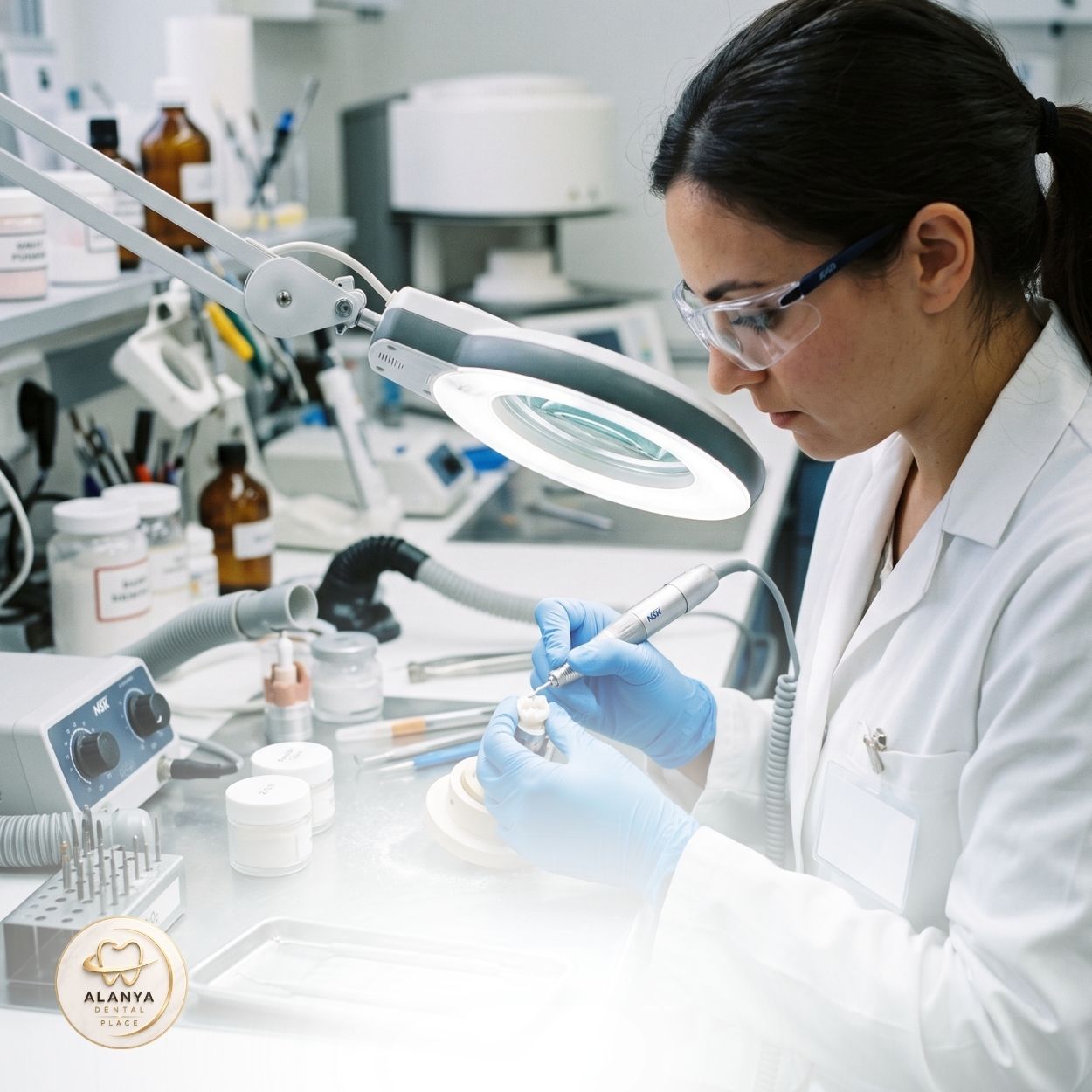
We make zirconia crowns with CAD/CAM technology and explain the cost for each tooth.
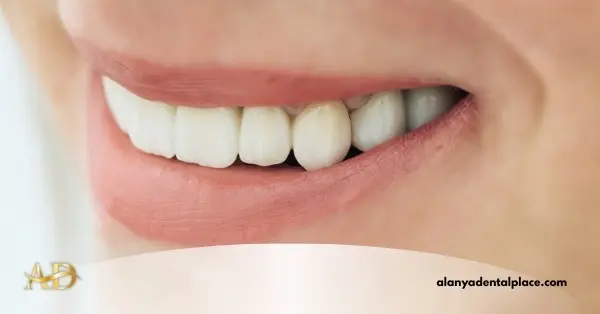
What is a zirconia crown?
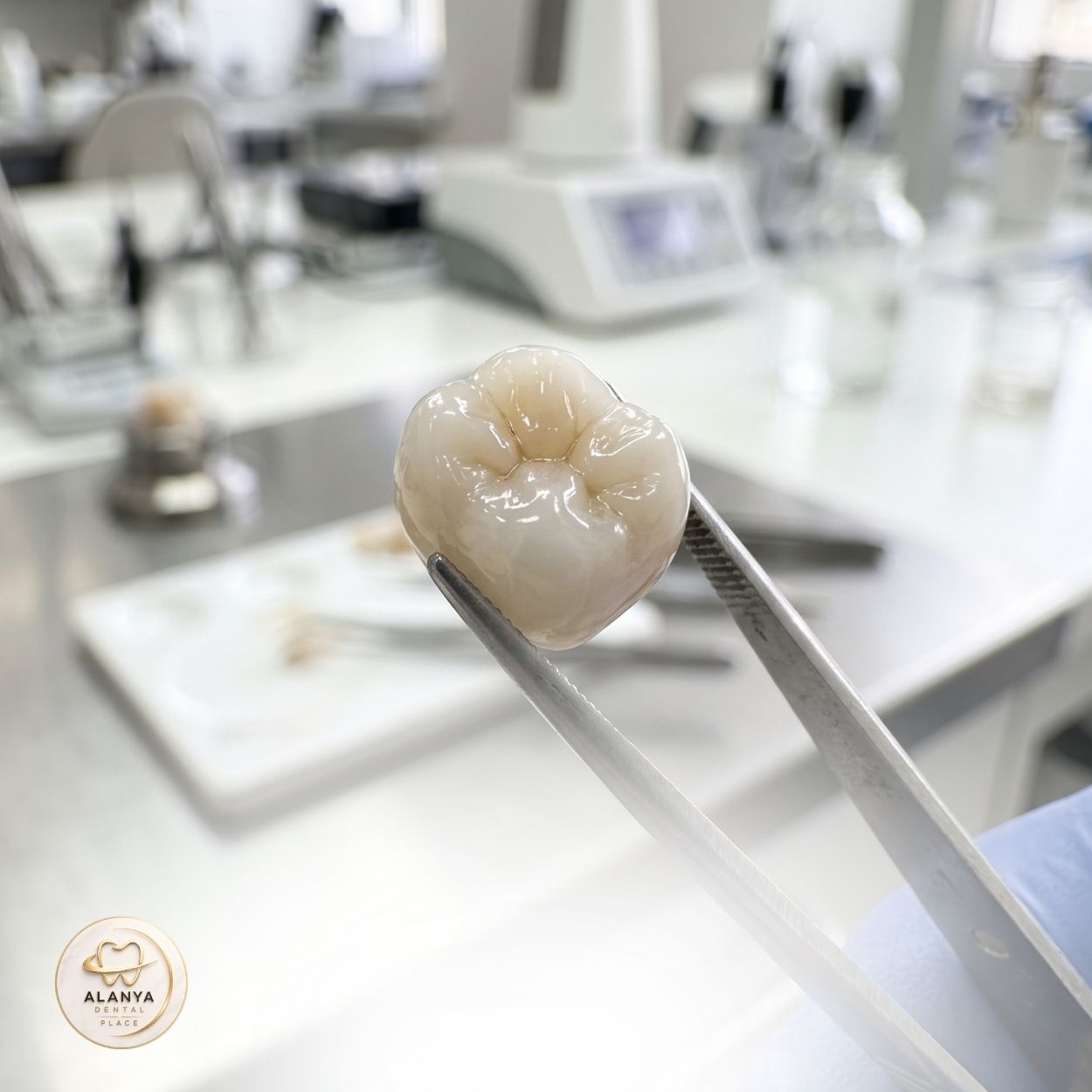
A zirconia crown (also called a zirconium crown) is a fixed cap that covers the whole tooth. It is made from a ceramic called zirconium dioxide.
It is often used for teeth that are broken or decayed, or have had root canal treatment. It also helps when whitening cannot improve the colour of a tooth. It has no metal inside, so it does not leave a dark line at the gum over time. It also lets light through like natural enamel, which is why many people choose it.
In Turkey, zirconia crowns are popular with local patients and with people from the UK and the rest of Europe. We use the same brands of material as clinics in other European countries.
Zirconia is used for single crowns, for bridges of several teeth and as part of a smile makeover.
Could a zirconia crown suit your tooth? Send us a photo to find out.
Could a zirconia crown suit your tooth?Ask us
Contact us to ask about zirconia crowns.
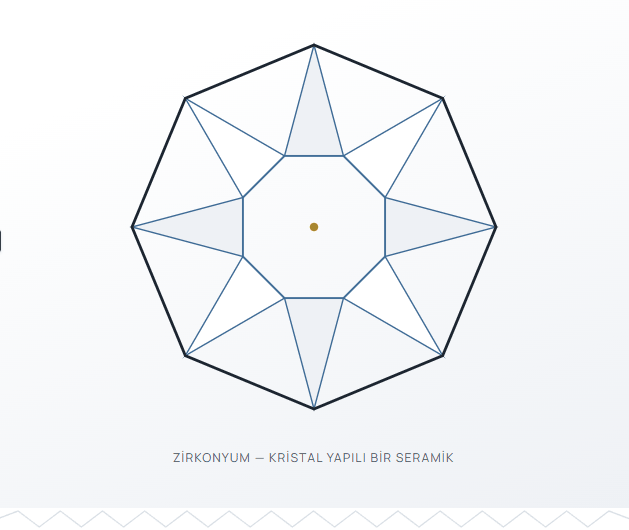
Why is zirconia so strong?
Zirconia (zirconium dioxide) is a ceramic with a crystal structure. It is used in engineering, from aircraft turbines to artificial hip joints. Cubic zirconia, from the same family, is used in jewellery to look like diamonds. So it was known for being hard and shiny long before dentists used it.
Medical-grade zirconia, as used in dentistry, has a flexural (bending) strength of 900 to 1,200 MPa. This is much higher than most types of porcelain. It makes zirconia a reliable choice where chewing forces are strong, such as the back teeth (molars).
The body also generally accepts zirconia well. With no metal, an allergic reaction is very unlikely, and the gums do not usually become red or stained. Older porcelain-fused-to-metal crowns can leave a dark line at the gum, but zirconia does not.
In short, zirconia is hard, lets light through and is well accepted by the body. This is why it is so widely used for crowns.
Monolithic or layered: two types of zirconia
‘Zirconia crown’ does not mean one single product. There are two ways of making them, and each gives a different result.
Monolithic zirconia
Layered zirconia (porcelain over zirconia)
The right type for you depends on where the tooth is and what matters most to you: strength or appearance. At our clinic, we decide this with you after looking at a photo of your tooth.
The zirconia brands we use
The quality of zirconia blocks varies from one maker to another. We use CE-marked brands that are used in many countries, such as Ivoclar Vivadent, Katana and Vita. Where extra strength is needed, we can also use monolithic blocks such as BruxZir.
Types of block: HT, ST and multilayer
High-translucent (HT) blocks are often used for front teeth, where appearance matters most. Super-translucent (ST) blocks let even more light through. Multilayer blocks change in colour and translucency within one block. This means even a single crown can look close to natural enamel.
Zirconia, E-max or porcelain fused to metal?
E-max (lithium disilicate) lets a little more light through than zirconia, which helps on front teeth. But it is not as strong as zirconia on back teeth, where chewing forces are higher. Porcelain fused to metal can darken the gum over time and does not usually last as long. Many treatment plans use both materials: layered zirconia or E-max on front teeth, and monolithic zirconia on back teeth.
Contents

Who are zirconia crowns for?
A zirconia crown is used when a tooth is weak or damaged. It is not usually recommended for a healthy tooth, just to make it look whiter.
Teeth that have had root canal treatment
Teeth weakened by large fillings
Some cases of crooked teeth or a poor bite (malocclusion)
Broken or cracked teeth
Dark teeth that whitening cannot lighten
Teeth that will support a bridge
Enamel defects from birth
Under the age of 18 to 20, the jaw and gums are still developing, so zirconia crowns are usually delayed. Apart from this, there is no age limit, and they can suit most adults.
Before treatment, problems such as gum disease, tooth decay or inflammation at the root tip must be treated. Otherwise, the problem can carry on getting worse under the crown. This is why an examination is always the first step.
Zirconia compared with other crowns
Knowing the differences between zirconia, E-max and porcelain fused to metal can help you choose the right treatment.
*How long a crown lasts depends on how well you clean your teeth, the dentist’s experience and your habits. These are averages from clinical experience, not a promise.
E-max glass-ceramic can look very natural and is often chosen for a single front tooth. For back teeth with strong chewing forces, or a bridge of several teeth, the strength of zirconia matters more. Many treatment plans use both: E-max for front teeth and zirconia for back teeth.
Porcelain veneers cover only the front of the tooth, so less of it is removed. They suit small changes to colour and shape. Zirconia crowns cover the whole tooth. They give more support to broken or worn teeth, and to teeth after root canal treatment. Your dentist will suggest one, based on your tooth and what you want.
How is a zirconia crown fitted?
The treatment follows clear, planned steps.
Examination and digital images
Digital smile design
Tooth preparation and digital scan
Temporary crown
Checking colour and fit
Fitting the crown
At our clinic in Alanya, this usually takes 5 to 7 days. You can plan it around a short stay in Alanya.
What affects the cost of zirconia crowns?
The cost of zirconia crowns is usually worked out per tooth. This makes it clear what your own treatment includes.
The cost depends on whether you need one crown or several.
What affects the cost
The type of zirconia (monolithic or layered) affects the total cost. So do the number of teeth and where they are. Any treatment needed first, such as root canal treatment or gum contouring, also adds to the cost.
What to expect
A natural look
Comfort during treatment
Help with your visit

Care and lifespan of zirconia crowns
With good care, a zirconia crown can last 10 to 15 years or longer.
Brush and floss every day, as you do for your natural teeth. The crown itself cannot decay. But the tooth under it and the teeth next to it can decay, and the gums can become inflamed. So your daily routine stays exactly the same.
If you clench or grind your teeth, we recommend a night guard. Zirconia is very strong, but constant heavy pressure can cause tiny cracks over time. A check-up every 6 months helps to find any problems early.
Zirconia does not stain. Tea, coffee and smoking can darken your natural teeth over time, but the crown keeps its colour. Over the years, this can cause a slight difference in shade. Your dentist takes this into account when choosing the shade.
Risks and things to know
Zirconia crowns are a widely used treatment. But, like any dental treatment, they have risks and limits that you should know about.
The tooth is prepared under local anaesthetic, so you should not feel pain. Mild sensitivity to hot and cold is normal for the first few days and usually passes quickly.
Rarely, a crown can come loose, its edges may not fit well, or the gums may become irritated.
Common myths about zirconia crowns
Some information online about zirconia crowns is out of date or misleading. Here are the facts behind the most common myths.
Fact: Zirconia is very strong, but it can break. Biting on very hard objects, or clenching your teeth without treatment, can damage it, as with any dental material.
Fact: Different types of zirconia (monolithic, layered, HT, ST) and different methods are used. The choice depends on where the tooth is, your gums and how you want your teeth to look. There is no standard template.
Fact: The materials, the dentist’s experience and the quality of the laboratory work all affect the result. Ask which zirconia will be used and who will treat you.
Fact: Zirconia does not decay, but the tooth under it and your gums still need care. Regular brushing, flossing and check-ups help your crowns last a long time.
Fact: You can stay in touch with your dentist online after you go home. You can also share your treatment report with your own dentist.
Fact: The result depends on your teeth, your gums, how you clean your teeth and the dentist’s experience. This is why we talk through what you can realistically expect before treatment.

Our clinic is in Alanya

Coming to Alanya for zirconia crowns
Many people from Europe and the Middle East come to Turkey for zirconia crowns. Here is what to know.
Materials and technology
We use zirconia materials and CAD/CAM technology that are also used in other European countries. You can ask us which materials we use for your crowns.
Standards in Turkey
Many dentists in Turkey are trained to international standards. Clinics use CE-marked materials and digital CAD/CAM laboratories.
Travelling to Alanya
Alanya is easy to reach, with direct flights to the region from many countries. There is plenty of accommodation by the sea. You can spend the days between appointments on the Mediterranean coast.
Zirconia crowns at Alanya Dental Place
For us, a crown is not just a laboratory order. We look after the whole process, from the first examination to the final check-up.
- A digital scan of your mouth for accurate impressions
- Both monolithic and layered zirconia are available
- The shade is chosen by comparing it with your natural teeth
- Help with airport transfers and accommodation
- We stay in touch online after your treatment
Our team has experience in restorative dentistry (repairing and replacing teeth), and we follow strict sterilisation procedures.
Book a one-to-one consultation with one of our dentists.
Treatments often planned with zirconia crowns
Zirconia crowns are often part of a wider plan. These treatments are commonly planned alongside them:
Find out more



Frequently asked questions about zirconia crowns
Answers to the questions people ask us most often about zirconia crowns.
Basics and materials
What is a zirconia crown?
A zirconia crown is a cap that covers the whole tooth. It is made from zirconia (zirconium dioxide), a ceramic with no metal that the body generally accepts well. It lets light through much like natural enamel, so it can be hard to tell apart from a natural tooth. It is used on front and back teeth, often for broken, worn or discoloured teeth, or after root canal treatment.
How is a zirconia crown different from a porcelain crown?
Traditional porcelain crowns are often built on a metal base. Over time, this can show as a dark line at the gum. Zirconia has no metal, lets light through more naturally and stands up better to chewing. This is why more and more people choose zirconia.
What is the difference between monolithic and layered zirconia?
Monolithic zirconia is made from one solid block. It is the strongest type and suits back teeth. Layered zirconia has a thin layer of porcelain over a zirconia core. It lets light through more naturally, so it is often used for front teeth.
Should I choose zirconia or E-max?
E-max is a glass-ceramic that can look very natural. It is often chosen for a single front tooth. Zirconia is stronger, so it is usually the better choice for back teeth and for bridges of several teeth. Many treatment plans use both.
Do I need a zirconia crown or a veneer?
If the tooth is strong and you only want to change its look, a veneer is usually better. A veneer removes less of the tooth. If the tooth is cracked, decayed or has had root canal treatment, it needs the protection of a full crown.
Can a zirconia crown go on a dental implant?
Yes. Zirconia is often used for crowns and bridges on implants, as well as on natural teeth. It can also be used for the fixed teeth in full-mouth implant treatment, such as All-on-4 or All-on-6.
Process and timing
Do zirconia crowns hurt?
The dentist numbs the tooth with a local anaesthetic, so you should not feel pain during the procedure. Preparing the tooth and taking impressions usually cause little discomfort. After the crowns are fitted, your teeth may be sensitive to hot and cold for a few days. This usually settles on its own. If the pain is severe or does not go away, contact your dentist.
How long does zirconia crown treatment take?
For a single tooth, treatment usually takes 2 or 3 appointments over 3 to 7 days. Bigger cases, such as a full smile makeover, can take 5 to 10 days. If you are travelling from abroad, we plan your appointments around your travel dates.
How much of the tooth is removed for a zirconia crown?
For a zirconia crown, the dentist usually removes about 1 to 2 mm all the way round the tooth. This makes room for the crown, so it fits well and looks natural. The exact amount depends on the condition of your tooth. It is done under local anaesthetic, so you should not feel pain.
Is a zirconia crown worth it for just one tooth?
Yes. A crown can protect a single broken tooth, or a tooth that has had root canal treatment. The reasons for a crown are the same for one tooth as for many.
Can zirconia crowns be fitted on all my teeth at the same time?
Yes, as part of a full smile makeover. For a big case like this, the dentist plans in more detail. This includes the digital design, your gums, and the shape and shade of each tooth. A crown is not usually recommended for a healthy tooth just to make it whiter.
Can zirconia crowns be used on back teeth?
Yes. Monolithic zirconia is often chosen for back teeth (molars), because it stands up well to strong chewing forces.
Cost and aftercare
How much do zirconia crowns cost?
The cost depends on the type of zirconia, the number of teeth and any treatment you need first. Send us a photo of your teeth, and we will explain your options and the costs.
Does the brand of zirconia affect the cost?
Yes. The brand of zirconia is one of the things that affects the cost. You can ask us which brand we suggest for your crowns, and why.
Are the same materials used in Turkey?
Yes. The zirconia brands we use are also used by clinics across Europe. The quality of the materials and the work matters more than the country.
How do I pay for treatment?
When your treatment plan is ready, we explain the total cost and the ways you can pay. We go through this with you at your first consultation.
What if a crown has a problem later?
Our aftercare policy covers problems with the material or the fit, such as a crack in the crown. It may not cover damage from accidents, or from not following the care advice. We give you the full aftercare terms in writing before treatment starts.
Care, lifespan and risks
How long do zirconia crowns last?
With good fitting and regular check-ups, zirconia crowns often last 10 to 15 years or longer. How long they last depends on how well you clean your teeth, teeth grinding, your check-ups and the material. This is an average from clinical experience, not a promise.
Do zirconia crowns change colour?
No. Zirconia itself does not stain or change colour. But your natural teeth can darken over time with tea, coffee or smoking. Over the years, this can cause a slight difference in shade.
This is why the shade is chosen carefully with your dentist before treatment. If the crown looks dull over time, a professional clean in the clinic can bring back its shine.
Can I have zirconia crowns if I am allergic to metal?
Yes. Zirconia crowns contain no metal, so they are a good option if you have a metal allergy. Some metal-based crowns contain nickel or chromium. In some people, these metals cause an allergic reaction or darken the gums.
Can zirconia crowns be whitened?
No. Whitening gels do not change the colour of zirconia, because the colour is part of the material. Whitening works only on natural teeth. If you want whiter teeth, whiten them before your crowns are made.
Does a zirconia crown damage tooth enamel?
Preparing a tooth for a crown removes part of the enamel for good, and this cannot be undone. It is a normal part of the treatment. When it is done well, it does not harm the rest of the tooth.
Travel and your stay
How long will I need to stay in Alanya?
For one tooth or a few teeth, plan to stay about 4 to 7 days. For a full smile makeover, plan for 7 to 10 days. We arrange your appointments around your travel dates. We tell you the exact length of stay when your treatment plan is ready.
Is there an age limit for zirconia crowns?
Crowns are not usually recommended before the age of 18 to 20, when the jaw and gums finish developing. There is no upper age limit.
What treatment might I need before zirconia crowns?
Gum disease, tooth decay or an infection at the root tip (apical periodontitis) must be treated first. Some teeth also need root canal treatment before the crown is fitted.
Can I fly after having zirconia crowns fitted?
Yes. There is no medical reason not to fly after zirconia crown treatment. You can travel home once your treatment is finished and you have had your final check-up.
Why do people come to Alanya for zirconia crowns?
Many people from Turkey and abroad come to the Antalya region for dental treatment. There are direct flights from many countries, and the region is used to looking after visitors. You can also spend time on the Mediterranean coast between appointments.
Do you have any other questions?
Sources
We used these sources when writing this page.
This page gives general information only. It is not medical advice, and results vary from person to person. Please see a dentist for a diagnosis and a treatment plan for your own teeth.
The first step: a consultation
Send us photos of your teeth, and we will suggest a treatment plan and explain the costs. You may live nearby or be travelling from abroad. Either way, we give you clear information to help you decide.